

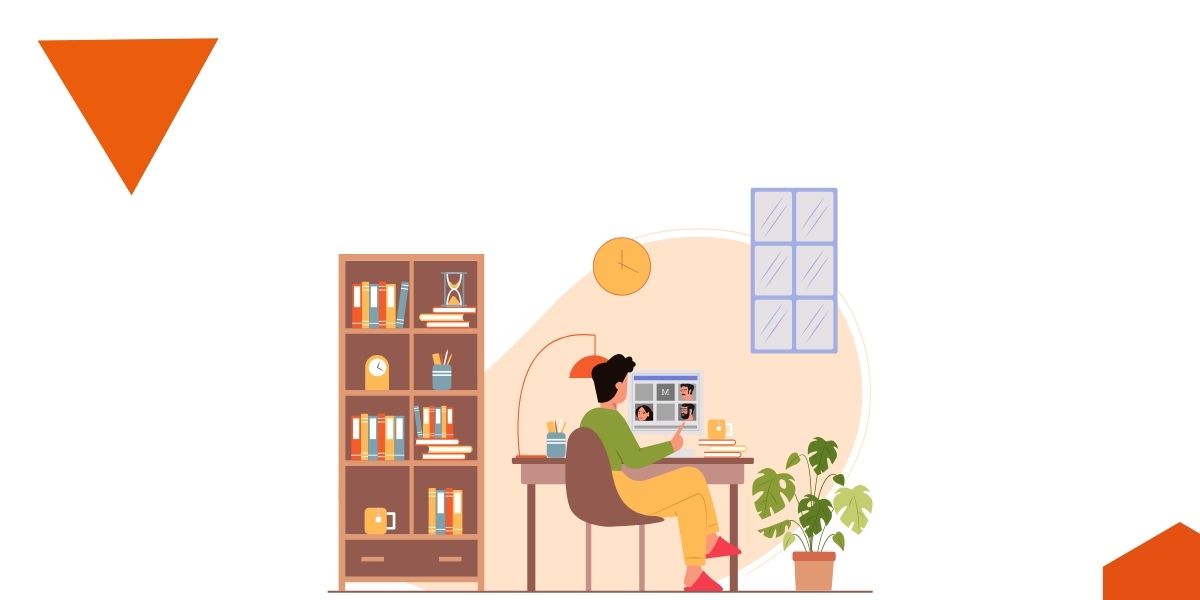
2D animation (also known as Traditional Animation) involves animating still images using computer software or traditional arts in two dimensions. You can adjust the height and width of characters and backgrounds to artificially add depth.
Traditional animation refers to hand-written drawings where frames are drawn on paper by hand and animated later by hand. Today, however, computers make this process much quicker and simpler, giving greater creative control than can ever be accomplished manually.
A two-dimensional animation production workflow refers to a systematic series of activities performed by animators using appropriate animation software to complete an animated film for their client.
In this article, we’re going to walk through the 2D Animation pipeline and 2D animation workflow by covering its three stages – pre-production, production, and post-production.
What Is 2D Animation?
2D animation works by manipulating vector graphics using computer software. Vector images are computer images created through a series of commands or mathematical statements that arrange lines and shapes within either two- or three-dimensional space.
2D images will move within a two-dimensional space: up, down, left, and right while using height and width measurements to give an “illusion” of depth.
2D animation remains extremely popular today due to its adaptable medium. The emphasis of 2D is more on the story and characters rather than the fancy graphics available through 3D. Modern computer software has helped take this process even further metaphorically.
Types of 2D Animation
2D animation has long been around and has flourished with new and updated software such as Adobe Animate, Photoshop, After Effects and others. These programs continue to play an invaluable role today.
The following are some common categories of 2D animation:
- Stop-motion
- Infographics
- Motion graphics
- Whiteboard animation
Uses of 2D Animation
2D animation is still used for various purposes in the modern world. It has remained a popular and vital kind of animation all across the globe.
Some examples of how 2D animation can be used are:
- Commercials
- Indie and Triple-AAA series, movies, and video games
- Mobile phone images
- Music videos
- Web animation
Process of 2D Animation Workflow
The process flow for the development of 2D animation can be broken down into the following steps:
Pre-Production
At this stage of pre-production, all aspects of an animation including its story, characters, and aesthetics will be planned out in great detail. Members of the pre-production team will create a storyboard as an outline for their animation project. In addition to that, they will produce character designs and concept drawings.
1. Script Writing
Drafting your project script should be your top priority when beginning any two-dimensional animation project. It sets the foundation for success and can serve as your compass in making decisions throughout its lifespan.
As a freelance animator, sometimes your brief will include a script already; but oftentimes as part of the job responsibilities will involve writing it yourself.
Animation requires a script that places more of an emphasis on visual direction rather than dialogue.
2. Storyboarding
A storyboard is a graphic representation of the direction of an animated film or series. This will provide a strong visualization of how it will develop while providing you with an opportunity to assess its script in depth.
Storyboards are rough sketches that visualize and organize a narrative’s action, likened to comic strips. Before production can commence, storyboards must first receive approval from their client for production to begin.
Storyboard and script will often be shown to clients to ensure they’re satisfied with how the 2D animation will unfold in its final state.
3. Conceptualization
The conceptualization phase is one of the most critical parts of an animation workflow as it determines much of what happens during production.
At each step in the conceptualization phase, work produced should be presented for client approval to ensure everything is moving along smoothly. Make sure they’re happy before proceeding to the production phase.
4. Character Design and Assets
This process includes making model sheets for not only the figures, but also the backgrounds, props, and any other kind of visual effect that will be used.
Your assets are essential in an animation production as without them there would be little movement to work with. Therefore, showing your client 2D images to ensure they like what was discussed and that they fit their vision is paramount.
5. Animatic Process
The animatic method is putting together shots, images, or sketches in a way that shows how the final animation will be timed. The animatic is a video that shows what the end product will look like. It is an essential part of the planning phase of the animation pipeline.
Production
In the production stage, an animated version of the storyboard is created. One frame at a time, with an animator drawing each individual frame. To help them with this process, animators use an assortment of software tools.
1. Asset Production
During the process, digital animation artists will work to make the digital assets based on the drawings made in the pre-production phase. Artists will sometimes even hire character design animation companies to do the work for them.
At this stage of production, all assets have been completed, enabling an animator to move on to the next step in their task. Assets refer to any objects or characters needed to turn a storyboard into an animated film.
Layouts have all the details needed for the scene(s), such as the background, the key poses, and the overlays and underlays. Layouts and poses are very important because they help connect the script to the animation.
Each scene’s background is made up of different parts or views of the place. Artists will sometimes use real pictures as guides for the places and scenery, but other times they will just make things up.
2. Audio Substitution
The audio part of this process will require voice actors to read scripts created during the early scripting stage of this process.
Dialogue and audio will need to be recorded outside the animation studio or your home studio in order to be imported into your animation project on time. If dialogue exists, it must be recorded as soon as possible in order to be imported into it before the animation starts.
Animators need a clear timeline in place in order to animate characters’ mouths and expressions accurately while performing an accurate sound breakdown. A detailed schedule must be drawn up so that this process runs efficiently.
3. Hand-drawn and Digital Animation
Hand-drawn and Digital Animation Though it might feel strange to say aloud, animation needs animators.
Studios typically organize animators into groups dedicated to working on specific characters designed by the animator and scenes that they appear in, while others focus on all the frames between scenes that contain their characters.
In-betweeners work on making scenes more fluid and realistic-looking while character designers focus on every layer needed for their character to exist in its scene.
Both animators and in-betweeners play a crucial role in making animated characters come to life, though in-betweeners play an even larger one. They bring life to the character by giving him or her lifelike characteristics such as blinking and breathing. Living characters must perform such actions naturally to remain realistic!
As part of their quality-control efforts, animators regularly put their animations through a line-test process that tests key poses within an animation.
Line tests serve similar functions to animatics in terms of timing and ensuring animations line up properly before the coloring stage. Line tests assist animators by helping with timing issues as well as helping ensure everything lines up correctly before moving forward to the coloring stage.
An animatic is a sort of slideshow of storyboard images for planning purposes, While line testing is an ongoing process that assists 2D animators as they move toward final coloring stages.
Traditional animation is usually completed using pen and paper, with an animator drawing. Each frame or character poses by hand. If there is dialogue involved, they must incorporate mouth movements and facial expressions.
2D animators must remember to keep things straightforward. Too much animation makes scenes hard for viewers to comprehend.
After completion, the animation is typically sent through the digital part of an animation pipeline for final rendering. Traditionally animation was sent for hand-painting instead.
Animation’s digital side leverages our incredible technology to ease its process. However, paper still often forms part of it.
While most artists opt to create animation entirely using software. Some choose hand-drawn illustrations combined with computer-assisted animation software.
2D animators will send their work back and forth between clients (but not always extensively) until they reach an understanding. Throughout this part of the workflow, 2D animators should ensure their client is happy with the direction of the work.
4. Special Effect
Special effects involve manipulating elements of a scene outside of characters and backgrounds, thus adding dimension and creating special effects.
Special effects animators typically utilize computer software to add depth and realism to scenes by manipulating objects within them. Either adding, subtracting, or altering existing ones in order to add greater realism and depth.
At times, studios use non-drawing processes to produce special effects instead of drawing them directly on animation. Disney used filming rain against a black background and superimposed it onto their animation to achieve this special effect.
Post-Production
The animation is given its finishing touches at the post-production stage. This involves the addition of musical accompaniment, sound effects, and color. It’s possible that the post-production crew will have to tidy up the animation as well as make any necessary alterations
1. Digital Ink and Paint
At present, digital ink and paint remain mostly traditional until after animation production has concluded. After being scanned into a computer, animations are colored and processed through software packages which then color and process drawings further.
Sometimes animators use computer software to facilitate this process rather than hand-painting drawings by hand.
This stage of the 2D animation production workflow may take the longest, as all drawings must be cleaned, lines inked, and filled in according to their complexity.
Animation clients may require multiple revisions during this stage if the color choices don’t resonate with them. 2D animators should keep this in mind and avoid becoming disheartened if this portion of their pipeline takes a longer than anticipated time to complete. Remembering that their work is ultimately for someone else.
Once the process is completed, clients are typically presented with their final product in 2D pipeline form before proceeding to the rendering stage.
2. Composting and Rendering
The process of importing the colored background, the animation, and the sound after the original model is called “composing.”
When all the pieces are in place, the animator makes the camera move and adds any computer effects that each scene needs. This is usually done by adding shadows, tones, and highlights.
Compositing is putting all of the visual parts from different sources into one picture. This helps make it look like all of the parts belong to the same scene.
After the editing is done, the animation is done. The process of making things is almost done.
3. Final changes
Most often, when the drawing is complete, most of the process is almost completed. However, some final changes or edits may be needed. Some sound effects and recordings that will appear in the final product could also be added during these edits.
4. Export
This step determines the final format of the video, whether that be movies or still images. Typically, an outside company renders and distributes master copies; as an independent filmmaker. However, you may also be asked to handle this responsibility.
Madmation Studio
Animators working for Madmation Studio have the specialized training and experience necessary to provide 2D animation services to clients across the world. Moreover, they let their enthusiasm guide them through the entire animation creation process.
Our organization stays on top of emerging technologies since we have a genuine interest in animation. Our animation studio is able to respond rapidly to changes in the industry and produce high-quality work for our customers every time.
.